
Choosing a UPS battery requires more than matching a voltage and an ampere-hour label. You will learn how VRLA construction works, how to size a battery bank for real runtime, and which checks protect you from premature failure or an unsuitable replacement.
Key takeaways
- AGM suits most UPS systems; GEL fits applications needing deeper, slower discharge.
- Calculate battery-bank capacity from UPS load, voltage, runtime and discharge efficiency.
- Compare VRLA with flooded lead-acid, lithium-ion and industrial cells before choosing.
- Request datasheets, warranty terms, test records and disposal arrangements from suppliers.
What VRLA Means and How AGM, GEL and SMF Differ
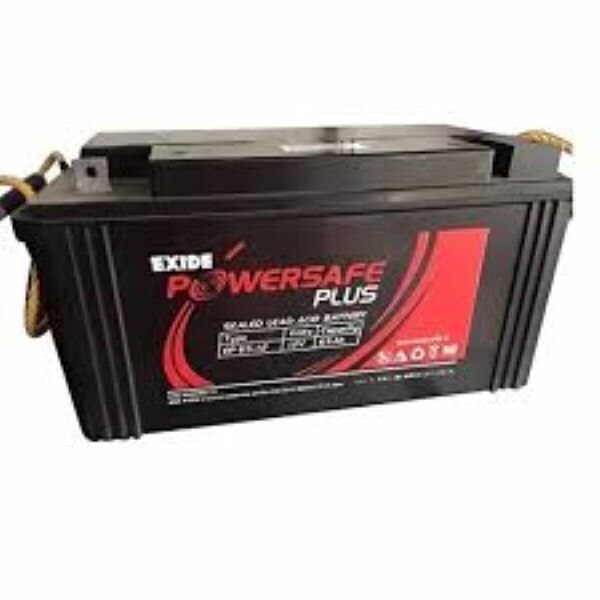
VRLA means Valve Regulated Lead Acid. VRLA Batteries contain electrolyte that is immobilized instead of freely sloshing: AGM holds it in glass-fibre separators, while GEL suspends it in a silica-based gel. During normal charging, oxygen and hydrogen recombine inside the battery.
A pressure-relief valve opens only when internal pressure becomes excessive, so the battery is not routinely vented.
| Label | What it identifies | What it tells you |
|---|---|---|
| VRLA | Valve-regulated lead-acid construction | The battery uses immobilized electrolyte and pressure-relief valves |
| AGM | Absorbed Glass Mat separator | Electrolyte is held in glass-fibre mats; common in UPS strings and high-rate standby service |
| GEL | Gelled electrolyte | Silica thickens the electrolyte; charging limits and cycling behaviour differ from AGM |
| SMF | Sealed Maintenance-Free description | Routine water topping is not required; it does not identify the internal design |
AGM and GEL are therefore not interchangeable simply because both are VRLA. Match the replacement to the UPS specification, including charge voltage, current limit, discharge rating, orientation and expected cycling. “Sealed” does not mean gas-tight: overcharging, high temperature or a failed valve can release hydrogen and oxygen.
Provide ventilation, clearance and correct charging even when the battery is labelled SMF.
Why VRLA Batteries Suit UPS Backup—and Where Their Limits Begin
UPS systems use VRLA Batteries because they deliver high current quickly, need little routine watering, and fit indoor cabinets or racks with less handling than flooded cells. Their recombinant design returns much of the generated gas to water, but “sealed” does not mean gas-tight: a pressure-relief valve opens during overcharge, overheating or internal failure.
Keep the battery string within the UPS manufacturer’s limits with this checklist:
- Set the charger to the specified float voltage; do not substitute AGM and GEL settings.
- Use temperature-compensated charging. A common correction is −3 to −5 mV per cell for every °C above 25 °C, using the battery maker’s exact value.
- Provide ventilation that prevents hydrogen accumulation, especially in enclosed battery rooms or cabinets.
- Keep terminals and valve openings unobstructed, and leave the clearance stated in the installation manual.
- Control room temperature near the manufacturer’s reference, usually 25 °C. Heat accelerates capacity loss and shortens service life.
- Investigate repeated deep discharges, charger alarms and frequent outages instead of treating a “3–5 year” or “10–12 year” label as a guaranteed interval.
A normal float voltage or clean case does not prove usable runtime. IEEE 1188 commonly uses 80% of rated capacity as a stationary VRLA end-of-life threshold; impedance testing helps find weak blocks, while a controlled discharge test demonstrates actual capacity.
How to Match a VRLA Battery Bank to UPS Runtime
Start with the UPS manufacturer’s DC bus voltage and the actual load, not the battery label. A 10 kW load at 94% inverter efficiency requires about 10.64 kW from the battery before temperature and aging allowances.
1. Convert the load to DC current. If the load is given in VA, multiply VA by power factor to obtain watts. Then divide watts by inverter efficiency and the UPS DC bus voltage: DC current = load watts ÷ efficiency ÷ DC voltage.
2. Calculate the ideal ampere-hours for the required runtime: ampere-hours = DC current × backup hours. Do not select a VRLA battery from its 20-hour ampere-hour rating alone. A UPS may discharge it at a much higher rate, reducing usable capacity.
3. Use the exact VRLA model’s high-rate discharge table. Check the manufacturer’s capacity at your required runtime, discharge current, ambient temperature and UPS end-of-discharge voltage. Add the UPS maker’s aging allowance; a string that reaches only 80% of rated capacity is commonly treated as end-of-life under IEEE 1188.
4. Build the bank from the required series count: DC bus voltage ÷ individual block voltage. Add parallel strings only after the discharge table confirms the required capacity and current.
5. Confirm the result with a controlled capacity test. Conductance or impedance readings help trend weak VRLA Batteries, but they do not prove runtime. AGM and GEL replacements must match the UPS charging settings and original technology.
Choosing Between VRLA, Flooded, Lithium-Ion and Industrial Cells
Choose standby AGM or GEL VRLA when your UPS needs compact, low-intervention backup for short outages, with batteries installed indoors and replaced on a planned service cycle. Valve Regulated Lead Acid Batteries are a poor choice when the duty involves frequent deep discharges, long autonomy, or limited temperature control.
| Option | Strength | Choose it when |
|---|---|---|
| AGM or GEL VRLA Batteries | Fast standby discharge, enclosed construction and little routine watering | The UPS supplies short backup periods, space is limited, and the manufacturer specifies AGM or GEL |
| Deep-cycle batteries | Built for repeated, deeper discharge cycles | The system cycles daily or regularly; standby VRLA life will be shortened by that duty |
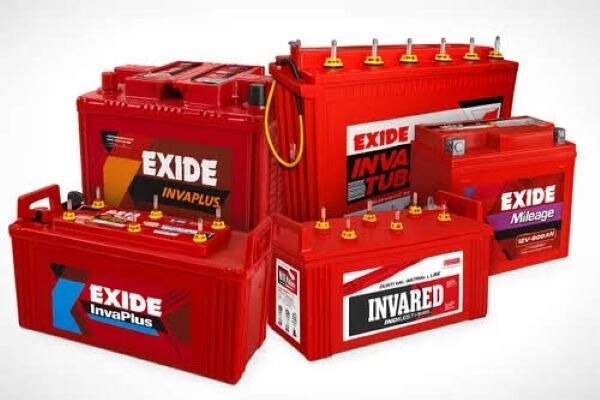
| Flooded tubular lead-acid | Robust cycling and serviceable electrolyte | You have a ventilated battery room, floor space, watering access and staff for inspections |
| Lithium-ion | High usable energy, lower weight and strong cycle life | You need long runtime, frequent cycling or compact installation, and can fund battery-management and fire-safety controls |
| Two-volt industrial cells | Long service life, high reserve capacity and replaceable cell-level construction | The installation supports a large battery room, higher initial cost and specialist maintenance |
AGM and GEL are not interchangeable. Match the UPS charging profile, voltage limits, current limit, connectors and original battery technology; the wrong profile can cause early capacity loss or venting.
A conductance reading helps find a weak block, but it does not prove runtime. Choose a controlled capacity test when the decision depends on demonstrated autonomy rather than appearance or float voltage.
What to Request from a VRLA Battery Supplier Before Replacement
Before replacing a UPS battery string, give the VRLA Battery Supplier the UPS model, DC bus voltage, battery count, required runtime, load in watts or VA, and the existing battery model. “Same voltage and ampere-hours” is not enough: AGM and GEL batteries have different charging limits, discharge performance and installation requirements.
Request these records and checks:
- Exact model datasheet, high-rate discharge tables at the required end voltage, float and boost settings, temperature-compensation value, manufacturing or date code, storage limits and warranty terms.
- Evidence of applicable battery and transport compliance, plus written confirmation that the proposed battery matches the UPS charger.
- Individual battery open-circuit voltage and conductance or impedance readings before installation; obtain a commissioning report after connection.
- Installation details covering rack or cabinet fit, polarity, cable and fuse ratings, terminal torque, ventilation, clearance and room temperature.
- Service terms stating response time, failed-unit replacement, emergency support, inspection visits and disposal of the old string.
| Request | Check | Why it matters |
|---|---|---|
| Runtime claim | Manufacturer high-rate table, not only the 20-hour Ah rating | Short UPS discharges deliver less usable capacity |
| Life claim | Reference temperature and design-life category | “3–5 years” is not a guaranteed interval |
| Charger setup | Float voltage and compensation, commonly −3 to −5 mV per cell per °C above 25 °C | Heat can cause overcharge and shorten life |
| Site condition | Temperature log and ventilation plan | Life can roughly halve for each 10 °C rise |
Exide Power Centre, 9348465566, S R Nagar can help document these checks locally; keep the signed settings and test results with the UPS maintenance file.
Related products
 | Exide VRLA Tubular Battery / 5 Years Warranty The Legendary Exide Torr Tubular Reliability now comes maintenance free from the state of the art manufacturing line. View product → |
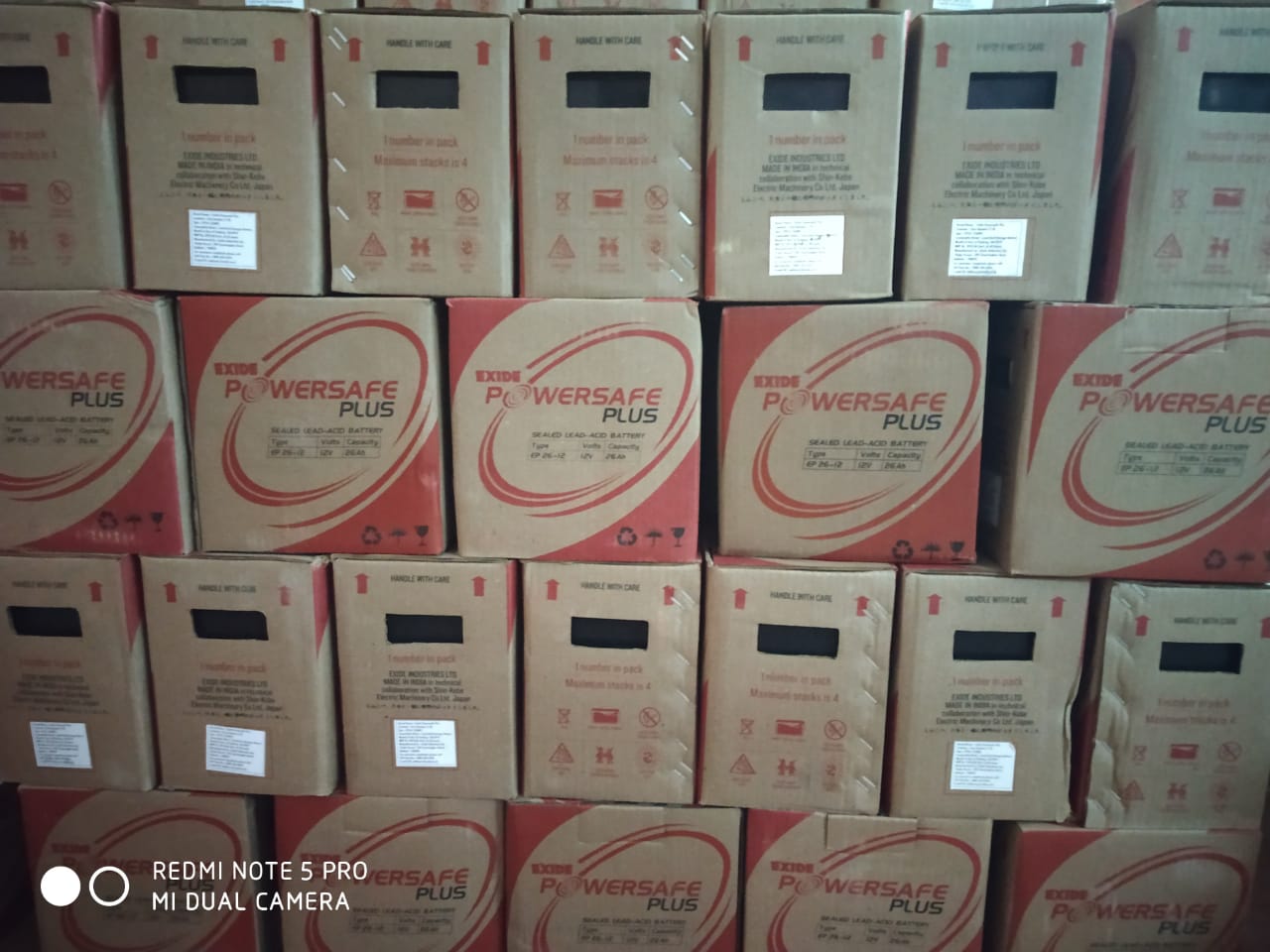 | SMF VRLA Exide Power Safe with 2 Years Warranty Exide Ups Battary for Power back up. This Product can be used for Industries. View product → |
Frequently asked questions
What does VRLA mean?
VRLA means Valve Regulated Lead Acid. Its electrolyte is immobilized, and internal gas recombination reduces routine water maintenance.
How do AGM, GEL and SMF VRLA batteries differ?
AGM uses glass-fibre separators, GEL uses silica-based gel, and SMF usually describes sealed maintenance-free construction rather than one separate chemistry.
How do you match a VRLA battery bank to UPS runtime?
Start with the UPS load in watts, required runtime and DC bus voltage, then use the battery discharge table while allowing for efficiency and ageing.
When is VRLA unsuitable for UPS backup?
VRLA becomes less suitable when you need very long runtime, frequent deep cycling, extreme temperatures or a high energy-to-weight ratio.
What should you request from a VRLA battery supplier?
Request the exact model, capacity at a stated discharge rate, dimensions, terminal type, datasheet, warranty, manufacturing date and replacement compatibility details.
Related products
 | Features & Benefits Deep cycle application ,Fast recovery from deep discharge, Extended cycle life ,Fast recharge capability, Excellent charge... View product → |
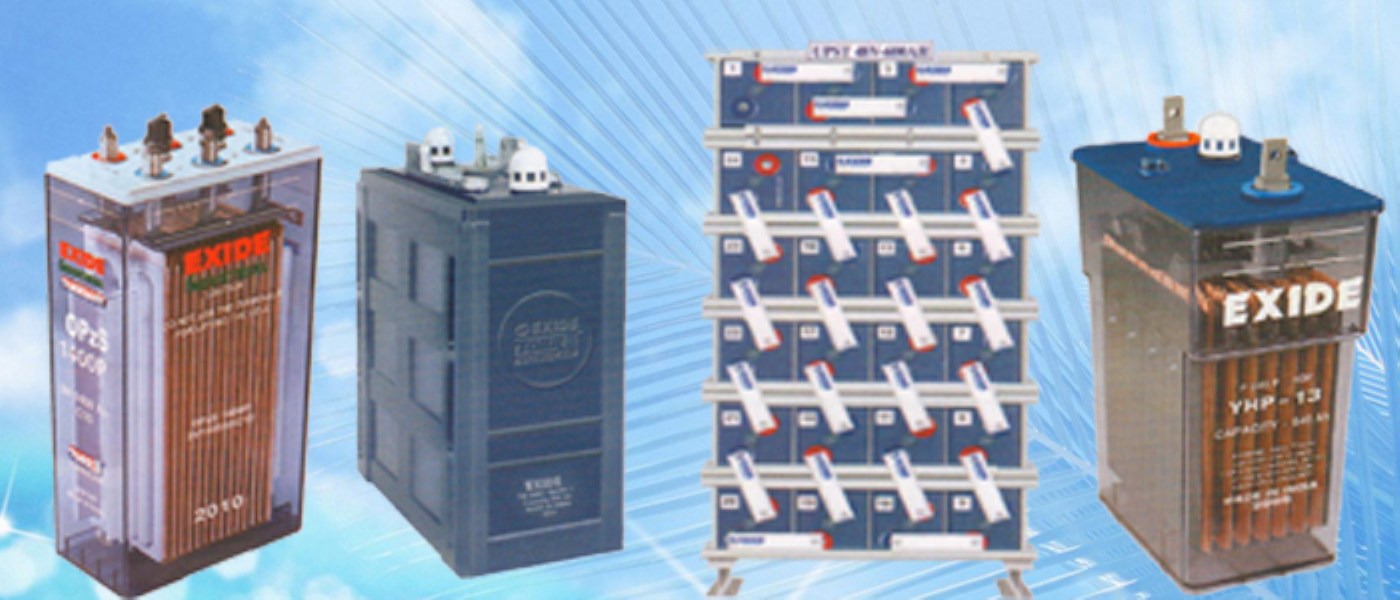 | For stand by duties in Power Plant, Transmission & Distribution Substations, Switchgear Operations, UPS systems for critical operations – Plante,... View product → |
 | Zero Maintenance Free - Tubular Inverter Battery ORIGINAL EXIDE 150 Ah Tall Tubular Heavy duty GEL Battery This is a BRAND NEW, FACTORY PACKED product DESCRIPTION OF EXIDE 150AH VRLA Tall Tubular... View product → |