
Short backup time can come from an aged battery, an overloaded UPS, a charging fault, a hot installation, or a bad connection—not just from a low ampere-hour label. You will learn how to size UPS batteries, check replacement compatibility, identify the failed part, and decide when testing or replacement is justified.
Key takeaways
- Choose matched VRLA batteries with the UPS manufacturer’s voltage and capacity ratings.
- Check battery age, terminal voltage, load, charger output and connections for short backup.
- Replace swollen, leaking or repeatedly failing batteries instead of continuing to recharge them.
- Install matched batteries, record the replacement date and test backup under load.
Which battery does a UPS need, and how much capacity is enough?
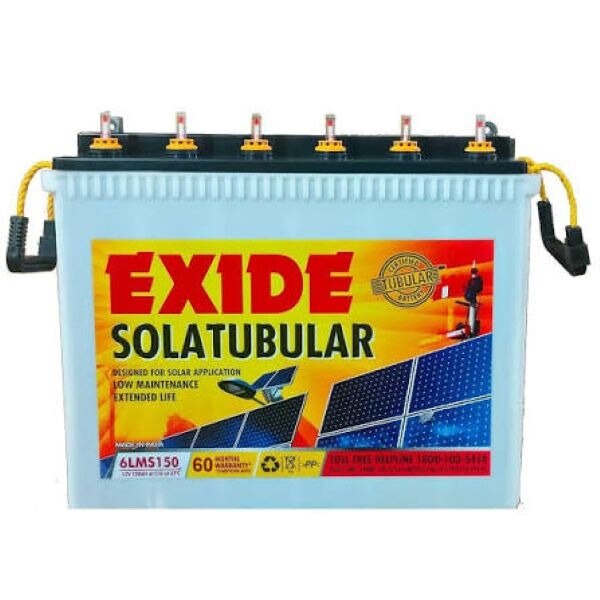
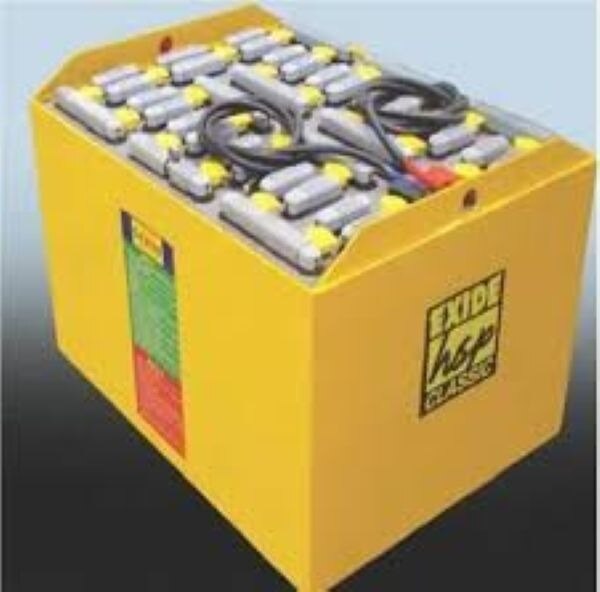
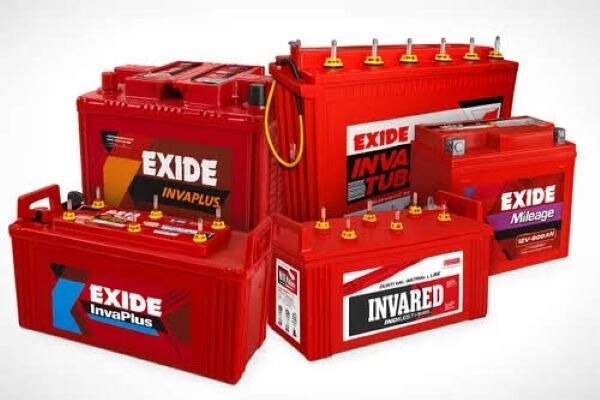
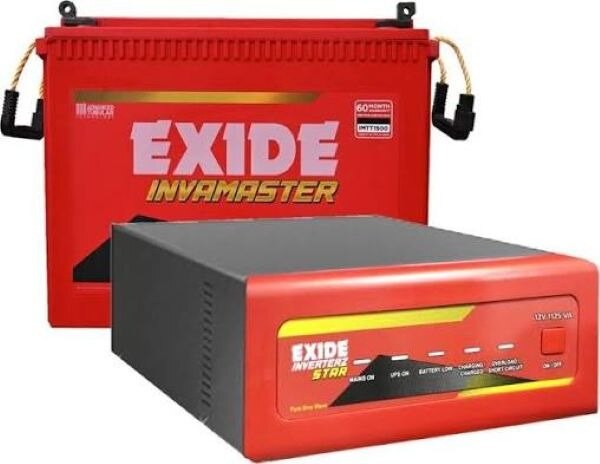
A UPS normally uses a matched bank of valve-regulated lead-acid (VRLA) batteries, sized for repeated discharge at a controlled rate. An automotive battery is built for a short, high-current engine start; an inverter battery is built for longer household backup and may use a different construction, charging profile and discharge rating.
| Battery type | Built for | Why substitution fails |
|---|---|---|
| UPS Batteries | High-rate, predictable backup in a UPS | The pack must match charging controls, connectors, sensors and discharge demands |
| Automotive starting battery | Brief engine cranking | Repeated deep discharge quickly damages its plates |
| Inverter battery | Longer, slower backup for household loads | Its size, chemistry or charging voltage may not suit the UPS |
Estimate required capacity with this formula: required Ah ≈ load watts × runtime hours ÷ (battery-bank volts × inverter efficiency). For a 600-watt load running for 30 minutes from a 24-volt bank at 85% efficiency, the estimate is 600 × 0.5 ÷ (24 × 0.85) = 14.7 Ah.
Treat that as a starting figure, not a guaranteed runtime.
Lead-acid capacity falls as discharge rate rises, a behaviour described by Peukert’s law. A C10 rating cannot be compared directly with an Ah figure measured at another rate, so use the UPS manufacturer’s runtime table and add allowance for ageing and temperature.
In a two-battery series bank, two 12-volt, 20-Ah batteries produce 24 volts and 20 Ah, not 40 Ah. Confirm voltage, series-parallel arrangement, dimensions, polarity, terminals, connector, charging profile and temperature-sensor requirements before choosing UPS Batteries.
Why can a replacement battery fit physically but still be wrong?
A replacement battery is wrong if it matches the voltage and Ah label but not the UPS’s charging and discharge requirements. Match these specifications before fitting it:
| Specification | What to match | What goes wrong if mismatched |
|---|---|---|
| Nominal voltage | Total pack voltage and each block’s voltage, such as 12 V in a 24 V or 48 V series string | The UPS may not start, or charging components can be damaged |
| Capacity and discharge rate | Ah rating at the stated test rate, plus the UPS’s required high-rate discharge performance | A C10 rating cannot be compared directly with an Ah figure measured at another rate |
| Arrangement | Number of batteries in series and parallel, with equal-capacity blocks | Uneven current sharing causes one block to fail early |
| Charging profile | Float voltage, boost voltage, charge current and temperature compensation | Undercharging causes sulfation; overcharging causes heat, drying and swelling |
| Chemistry and controls | VRLA, lithium or another chemistry; match the battery-management system and temperature-sensor requirement | The UPS can show false readings or apply unsafe charging |
| Dimensions and terminals | Length, width, height, terminal type, connector, polarity and cable reach | A battery can fit the tray but leave reversed polarity, loose connections or strained cables |
Automotive batteries are designed for short starting bursts, while inverter batteries may use a different discharge profile. Neither is automatically suitable for UPS Backup Batteries.
“Maintenance-free” VRLA means you do not top up electrolyte. Inspect terminals, torque, swelling, leakage and temperature before energising the pack. Never mix old and new blocks in one series string unless the UPS manufacturer approves it.
What causes short backup time, and how do you locate the fault?
A short runtime is not proof of a failed battery. Test the UPS Batteries under a known load, because the fault can sit in the load, charger, cabling, inverter or one block in the string.
- Excessive load: Read the UPS output watts or VA while the equipment is connected, then compare it with the UPS rating and the manufacturer’s runtime table. A heavy load increases discharge current and Peukert losses, so the UPS reaches low-voltage shutdown sooner.
- Battery failure: Fully charge the pack, record its resting voltage, then perform a manufacturer-approved conductance or load test. A battery that shows normal voltage at rest but collapses under load has lost useful capacity.
- Poor charging: Measure the charger’s float voltage at the battery terminals after the UPS has charged for the specified period. Compare it with the UPS manual; an incorrect setting, failed charger or excessive heat can leave batteries undercharged or cause thermal runaway.
- Wiring trouble: Inspect every interconnect for looseness, oxidation, swelling or heat marks. Measure voltage drop across each cable and terminal during discharge; a large drop identifies resistance that a resting-voltage test misses.
- UPS inverter fault: Connect a verified battery pack and a controlled load. If the DC voltage remains stable but the output voltage, waveform or shutdown behaviour is wrong, the inverter or control circuit needs service.
- One weak series block: Measure each block during the same load test. The block that reaches the lowest voltage first limits the whole string; replacing one block in an aged string can leave the set unbalanced.
Which warning signs mean the battery needs testing or replacement?
A swollen or cracked case, split seam, electrolyte residue, corroded terminal, burnt connector, or loose connection requires immediate isolation and inspection. A hot battery case, hissing sound, or unusual smell also signals possible overcharging or internal failure; do not keep operating it unattended.
“Maintenance-free” VRLA construction means you do not top up electrolyte, not that UPS Backup Batteries need no maintenance.
| Warning sign | What it suggests | Action |
|---|---|---|
| Bulging sides or leaking residue | Unsafe case or pressure failure | Stop use and replace |
| Normal open-circuit voltage but rapid voltage collapse under load | High internal resistance and poor capacity | Perform impedance screening and a controlled discharge test |
| Shorter runtime after a full charge | Lost usable capacity, excessive load, or charging trouble | Check load, charger output, and runtime |
| Repeated low-battery alarms or failed self-tests | Weak battery or a defective connection | Inspect terminals, then test the battery string |
| One block is hotter, weaker, or lower in voltage than the others | Imbalance or one failing unit in a series string | Test each block and assess the complete string |
A voltage, impedance, or conductance reading is a screening result, not proof of runtime. A controlled discharge at the UPS’s expected load measures delivered capacity more directly; a brief self-test can miss a battery that passes for minutes but fails during an outage.
Replace the battery when it cannot support the required runtime, repeatedly fails testing, or shows physical damage. A three-to-five-year planning interval is common for sealed lead-acid units, but heat, inaccurate float voltage, frequent discharge, and poor charging can shorten it.
How should you replace UPS batteries without repeating the failure?
Replace one battery only when the UPS string is otherwise healthy: the remaining blocks pass conductance, voltage, and runtime checks, share the same age and model, and the failed block has a clear isolated cause. In an old series string, fit a complete set instead.
One new block beside aged blocks creates imbalance; the weakest block will still limit runtime and can trigger low-voltage shutdown first.
Ask a UPS Battery Dealer to verify these points before supplying UPS Batteries:
1. Match the battery chemistry, nominal voltage, Ah rating, series-parallel arrangement, and required discharge rate. Do not substitute an automotive starting battery or an inverter battery because its voltage appears identical.
2. Match the physical dimensions, terminal type, terminal position, polarity, connector, cable length, and mounting method. A battery that fits the tray can still reverse polarity or leave unsafe cable strain.
3. Confirm the UPS charging voltage and current suit the replacement. Check whether the system needs a temperature sensor, battery-management communication, or a specific battery-pack configuration.
4. Record the manufacture date and batch, then inspect swelling, leakage, terminal damage, and storage condition. A “five-year” design-life label does not guarantee five years of useful runtime.
5. Ask how heat exposure and prior deep discharge affect the recommendation. Lead-acid life roughly halves for each 10°C above 25°C, and leaving a discharged battery unrecharged accelerates sulfation.
Exide Power Centre in S R Nagar can use the UPS model and existing pack details to check these compatibility points before supplying a replacement.
Related products
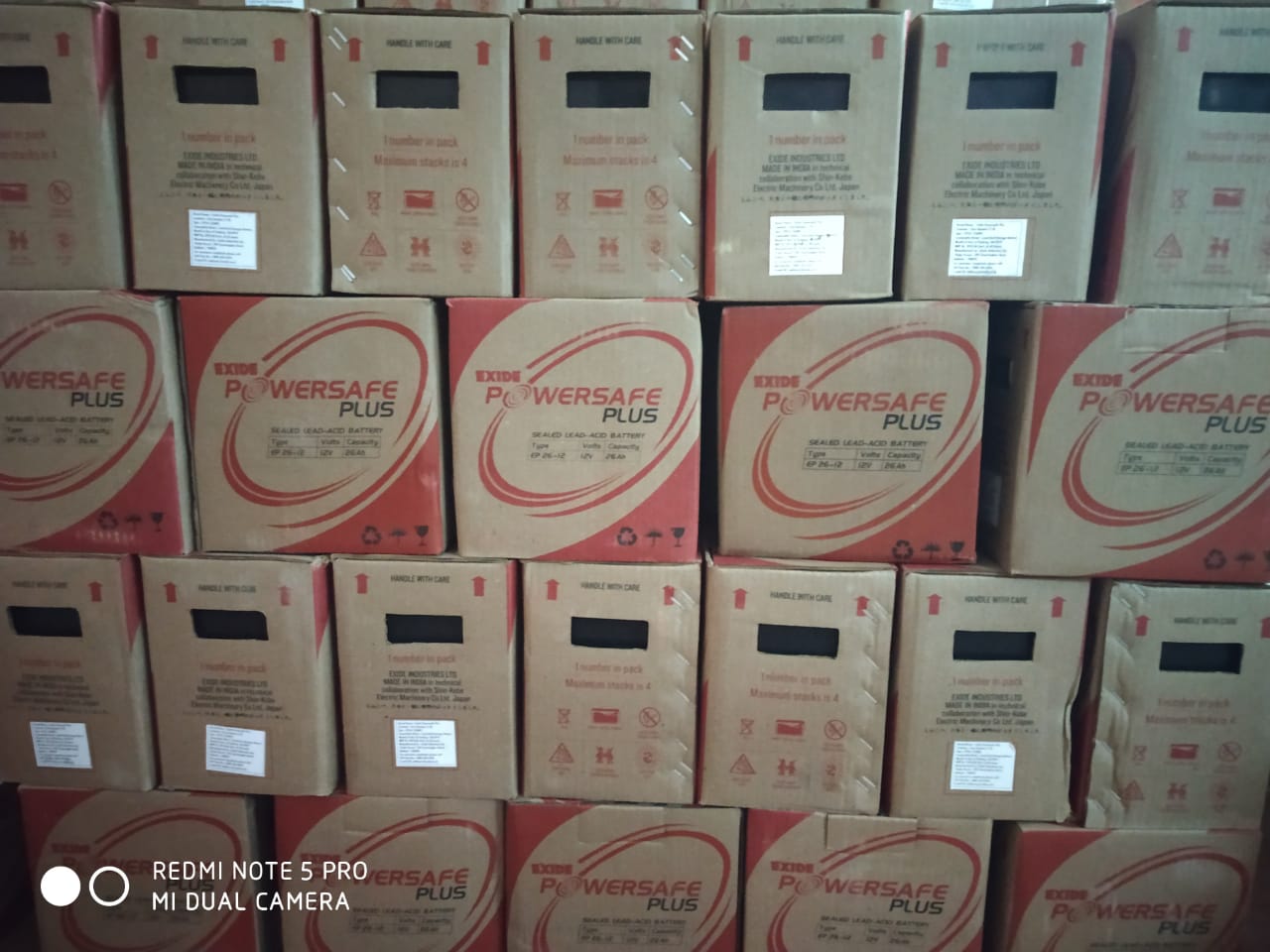 | SMF VRLA Exide Power Safe with 2 Years Warranty Exide Ups Battary for Power back up. This Product can be used for Industries. View product → |
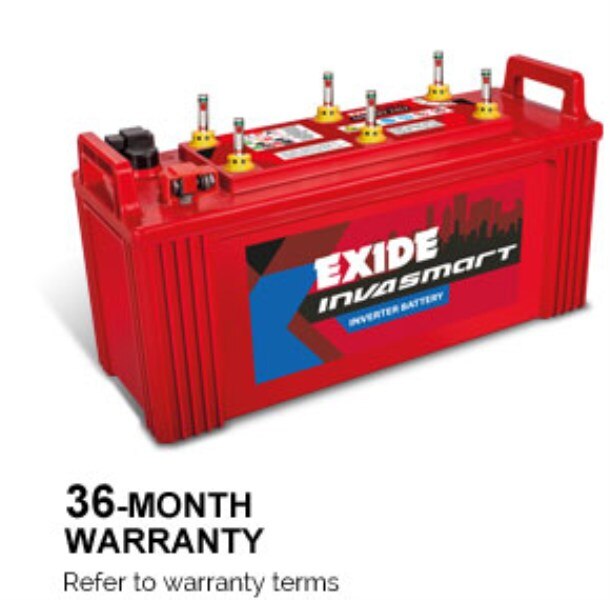 | Exide Invasmart for Inverters - 3 Years Warranty Features of Exide Invasmart Range of Batteries Inverter Battery - Exide Invasmart Enhanced life: Robust design prevents corrosion in positive plates... View product → |
Frequently asked questions
Which battery does a UPS need, and how much capacity is enough?
Most UPS systems use matched valve-regulated lead-acid batteries. Match the battery bank voltage, amp-hour rating, terminal type and discharge requirements specified by the UPS manufacturer. Capacity depends on the connected load and required backup time.
Why can a replacement battery fit physically but still be wrong?
A battery can share the same dimensions while having the wrong voltage, amp-hour rating, terminal position, discharge rating or charging profile. Check the UPS manual and the original battery label before buying.
What causes short backup time, and how do you locate the fault?
Check the connected load, battery age, individual battery voltages, terminal connections, charger output and cooling conditions. A load test helps identify a weak battery that appears fully charged but drops voltage quickly.
Which warning signs mean the battery needs testing or replacement?
Test the battery when backup time falls, the UPS reports a battery fault, charging takes unusually long or the unit switches to shutdown quickly. Replace batteries that are swollen, cracked, leaking, overheated or unable to hold a load.
How should you replace UPS batteries without repeating the failure?
Use a matched set with the specified ratings, isolate mains power according to the UPS procedure, connect terminals with correct polarity and secure the battery bank. Record the installation date and perform a controlled backup test after installation.
Related products
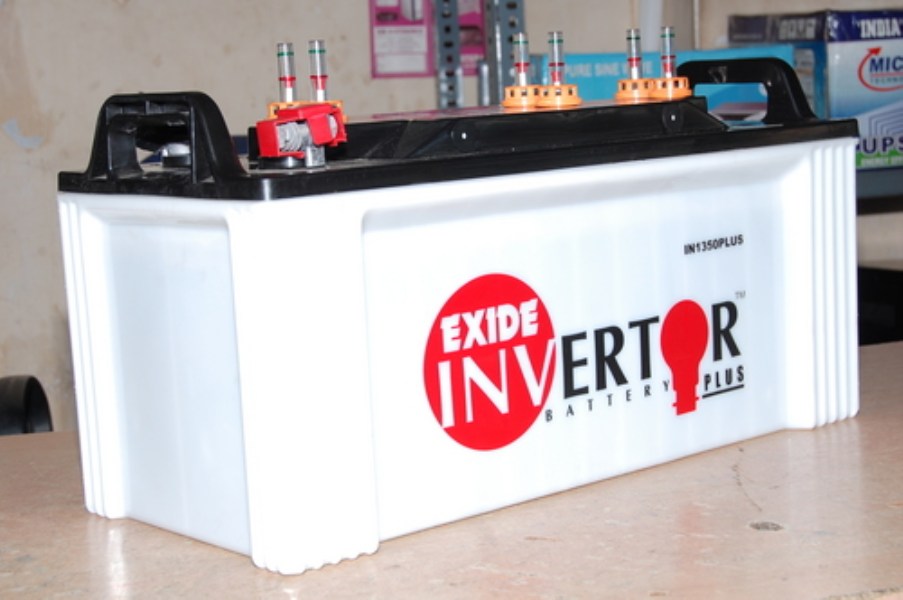 | Exide Inverter plus 150ah battery Very low maintenance: Special hybrid alloy system, High reliability and extended cycle life: Ribbed free polyethylene pocket type separator along... View product → |
 | Exide VRLA Tubular Battery / 5 Years Warranty The Legendary Exide Torr Tubular Reliability now comes maintenance free from the state of the art manufacturing line. View product → |